Plant & Style Guide

Bathroom Plants: The Best Humidity-Loving Plants & How to Style Them

Your bathroom is already a greenhouse in disguise. Steam, warmth and soft diffused light make it the ideal home for tropical plants. Here is how to make the most of it.

By Gro Urban Oasis·Plants & Styling·
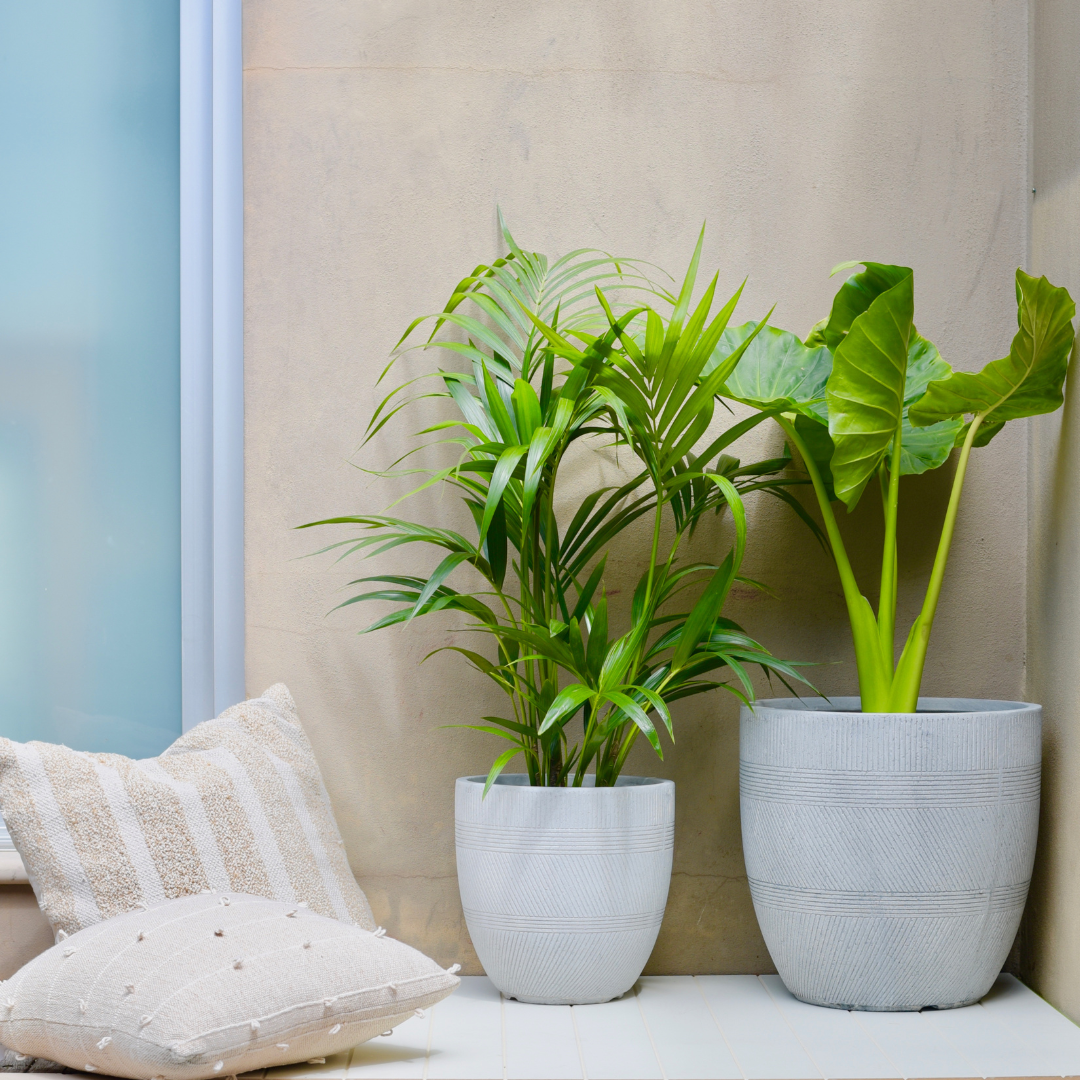
Humidity-loving indoor plants styled in a bathroom — Gro Urban Oasis
Why it works

Your Bathroom Is Already a Greenhouse

Gro Urban Oasis has been helping customers style their bathrooms with plants for many years. Bathrooms make surprisingly good indoor greenhouses. They trap warmth, fill with steam every time someone showers, and the light through a bathroom window, even a small frosted one, is usually soft and diffused. Most houseplants that struggle in dry heated living rooms will thrive in the steamy microclimate of a bathroom.

The plants to reach for are the tropicals — ferns, peace lilies, orchids and devil's ivy. The ones to leave on the shelf are succulents and cacti, which want dry air and direct sun and will rot quietly in a room that never fully dries out.

A deep green Boston Fern against warm stone-coloured towels creates an earthy, grounded look. A crisp white Moth Orchid on a dark timber vanity pairs beautifully with neutral linen bath mats.

Styling

How to Style a Bathroom with Plants

Styling a bathroom with plants is one of the easiest ways to make the room feel like a day spa rather than just a functional space. If your bathroom is small, think vertically: a hanging planter above the bath, a narrow plant stand in the corner, or a row of small pots on a floating shelf above the towel rail. Even one well-placed plant changes the feel of the room entirely.

Keep the pot as considered as the plant. A single tone across your indoor pots lets the foliage do the work, and echoes the same restraint that makes a calm bathroom palette read as intentional rather than accidental.

Care routine

Caring for Your Bathroom Plants

The bathroom environment does half the work for you. Humidity from showers slows down how quickly the soil dries out, so overwatering is the most common mistake. Always check the top two centimetres of soil with your finger before watering.

Five habits that keep bathroom plants thriving

  1. Check the soil before watering rather than following a schedule. Bathroom humidity means plants dry out far more slowly than you expect.
  2. Mist ferns and peace lilies once or twice a week. Five seconds of effort, real difference to leaf health.
  3. Wipe down broad leaves like Monstera and Philodendron with a damp cloth every few weeks. Product residue and dust block light absorption.
  4. Rotate plants near a window every fortnight so all sides get even light exposure.
  5. Feed with half-strength liquid fertiliser once a month during spring and summer only.
Watering

Getting the Watering Right

Summer
Every 7–10 days
Warmth and active growth means plants drink more. Still check the soil first — bathroom humidity slows drying considerably.
Winter
Every 2–3 weeks
Most tropical houseplants slow right down. Snake Plants and ZZ Plants can go a full month without water and be perfectly fine.
Best humidity absorbers

Which Plants Actually Absorb Humidity?

All tropical plants absorb some moisture through their leaves, but the standouts for a steamy bathroom are Boston Ferns, Peace Lilies and Spider Plants. Boston Ferns are the best of the three — their fine, dense fronds create a large surface area that captures humidity efficiently. Peace Lilies have broad leaves that absorb ambient moisture, making them ideal for bathrooms prone to dampness. Spider Plants are smaller but equally effective, and they produce trailing babies you can propagate for other rooms.

Fertilising

How to Feed Your Bathroom Plants

Liquid fertiliser added once a month during spring and summer is the easiest approach. Flowering plants like Peace Lilies and Moth Orchids need extra potassium to encourage blooms — Thrive for Flower and Fruit works well for these. Leafy green plants are happy with We the Wild, a quality organic option.

Plant type Recommended fertiliser Frequency
Flowering (Peace Lily, Moth Orchid) Thrive Flower and Fruit Monthly, spring and summer
Leafy green (Fern, Devil's Ivy, Spider Plant) We the Wild organic liquid Monthly, spring and summer
Slow-growing (Snake Plant, ZZ Plant) Slow-release granular Once in spring
Boston Fern Half-strength liquid fertiliser Fortnightly, spring and summer

What to avoid

  1. Succulents and cacti. They evolved in arid environments and store water in their fleshy leaves. A steamy bathroom will rot them from the roots up. Use a high-quality faux succulent if you love the look.
  2. No natural light at all. If your bathroom has zero natural light, real plants will decline regardless of care. Either rotate two plants between the bathroom and a bright spot every few days, or use quality faux plants. Both work. Putting a live fern in a dark windowless room is the only wrong approach.
The guide

Bathroom Plant Guide

Everything you need to keep each plant happy, healthy, and looking its best.

Boston Fern
01

Boston Fern

Top humidity absorber

Nephrolepsis exaltata. Famous for its arching fronds that can spill down up to a metre. One of the top ten NASA air-purifying plants, and its love of humidity makes a bathroom its ideal home.

LightBright, well-lit areas indoors
WaterDo not let dry out in summer; ease off in winter
FeedHalf-strength liquid fertiliser, fortnightly
Tip: In late winter, cut back dead or dry fronds to the base. New spring growth will be noticeably lusher for it.
Peace Lily
02

Peace Lily

Top humidity absorber

Spathiphyllum. One of the best air-purifying plants and tolerant of air-conditioned rooms too. Handsome dark green foliage year-round with white flowers appearing in spring through summer.

LightBright indirect for flowers; tolerates darker spots
WaterRegularly in spring and summer; less in autumn and winter
FeedLiquid feed monthly in warm weather
Tip: Place pebbles in a saucer of water underneath the pot. The evaporation boosts the humidity micro-climate around the leaves.
Moth Orchid
03

Moth Orchid

Instant bathroom luxury

Phalaenopsis. For instant bathroom luxury, few plants can compete. A native of tropical east Asia, bathroom humidity mirrors its natural environment, and flowers can last for months on end.

LightBright indirect light near a window
WaterWeekly in warm months; less in winter. Let mix dry slightly between waterings
FeedThrive Flower and Fruit, monthly in spring and summer
Tip: Never let water pool in the crown of the plant — it rots the stem quickly. Water at the base only.
Snake Plant
04

Snake Plant

Lowest light tolerance

Sansevieria. Also known as Mother-in-Law's Tongue. Fleshy upright leaves store water for long periods and it tolerates low light better than almost any other common houseplant.

LightCopes with darker positions than most indoor plants
WaterKeep on the drier side; never sit in a saucer of water. Once a month in winter is fine
FeedSlow-release plant food, once in spring
Tip: Put it in the corner with the least light and largely ignore it. Overwatering is the only real way to kill a Snake Plant.
Spider Plant
05

Spider Plant

Top humidity absorber

Chlorophytum comosum. Also known as Ribbon Plant. Produces clusters of trailing babies at the ends of arching stems. Dwarf and curly forms are worth looking out for. Perfect for hanging baskets inside and in shady spots outside.

LightBright indirect keeps leaf stripes vivid; grows in darker spots too
WaterModerate; check soil feels dry before watering in cooler months
FeedHalf-strength liquid fertiliser monthly during active growth
Tip: The trailing babies can be snipped and potted directly into soil — free plants for every other room in the house.
Devil's Ivy
06

Devil's Ivy

Best trailing plant

Epipremnum aureum. A wonderful trailing plant with heart-shaped golden-flecked leaves. Perfect hanging near the shower, on shelving, or trained as a climber on wires. Varieties include Goldilocks, Marble Queen, Jade and Snow Queen.

LightBright indirect maintains colouring; grows in darker positions too
WaterWeekly in warm months; allow to slightly dry out between waterings
FeedLiquid feed monthly
Tip: Train a vine along a wire or tension rod above the shower. The steam keeps it lush with almost zero effort.
ZZ Plant
07

ZZ Plant

Thrives on neglect

Zamioculcas zamiifolia. Tolerates near-darkness longer than any other common houseplant. Bulbous rhizomes make it extremely drought-tolerant. Very slow-growing, so buy the size you need straight away. Reaches about one metre at maturity.

LightHandles darker positions than most; will also grow outside in shade
WaterKeep drier in winter; never sit in a saucer of water
FeedSlow-release plant food once in spring; divide when clumping
Tip: This is the plant for the bathroom that gets forgotten. Low light, infrequent water, no drama. It genuinely thrives on neglect.
Frequently asked

Bathroom Plant Questions Answered

What are the best plants for a bathroom?
Boston Ferns, Peace Lilies, Spider Plants, Devil's Ivy, Moth Orchids, Snake Plants and ZZ Plants all thrive in bathroom humidity. Boston Ferns and Peace Lilies are the top picks for active humidity absorption.
Can succulents live in a bathroom?
No. Succulents evolved in arid environments and their roots will rot in a consistently moist environment. Use a high-quality faux succulent if you love the look.
How often should I water bathroom plants?
Every 7 to 10 days in summer and every 2 to 3 weeks in winter as a general guide. The more important rule: always check the top two centimetres of soil before watering. Bathroom humidity slows drying significantly.
What if my bathroom has no natural light?
Rotate plants between the bathroom and a bright spot elsewhere every few days, or use quality faux plants. ZZ Plants and Snake Plants tolerate very low light, but even they will eventually decline without any light at all.
Which bathroom plants absorb the most humidity?
Boston Ferns are the standout — their dense fronds create a very large surface area for moisture absorption. Peace Lilies and Spider Plants also absorb significant ambient humidity through their broad leaves.

Ready to transform your bathroom?

Visit one of our five stores or shop online. Our team can help you find the right plant for your light level, space, and style.

Shop Indoor PlantsFind a Store