
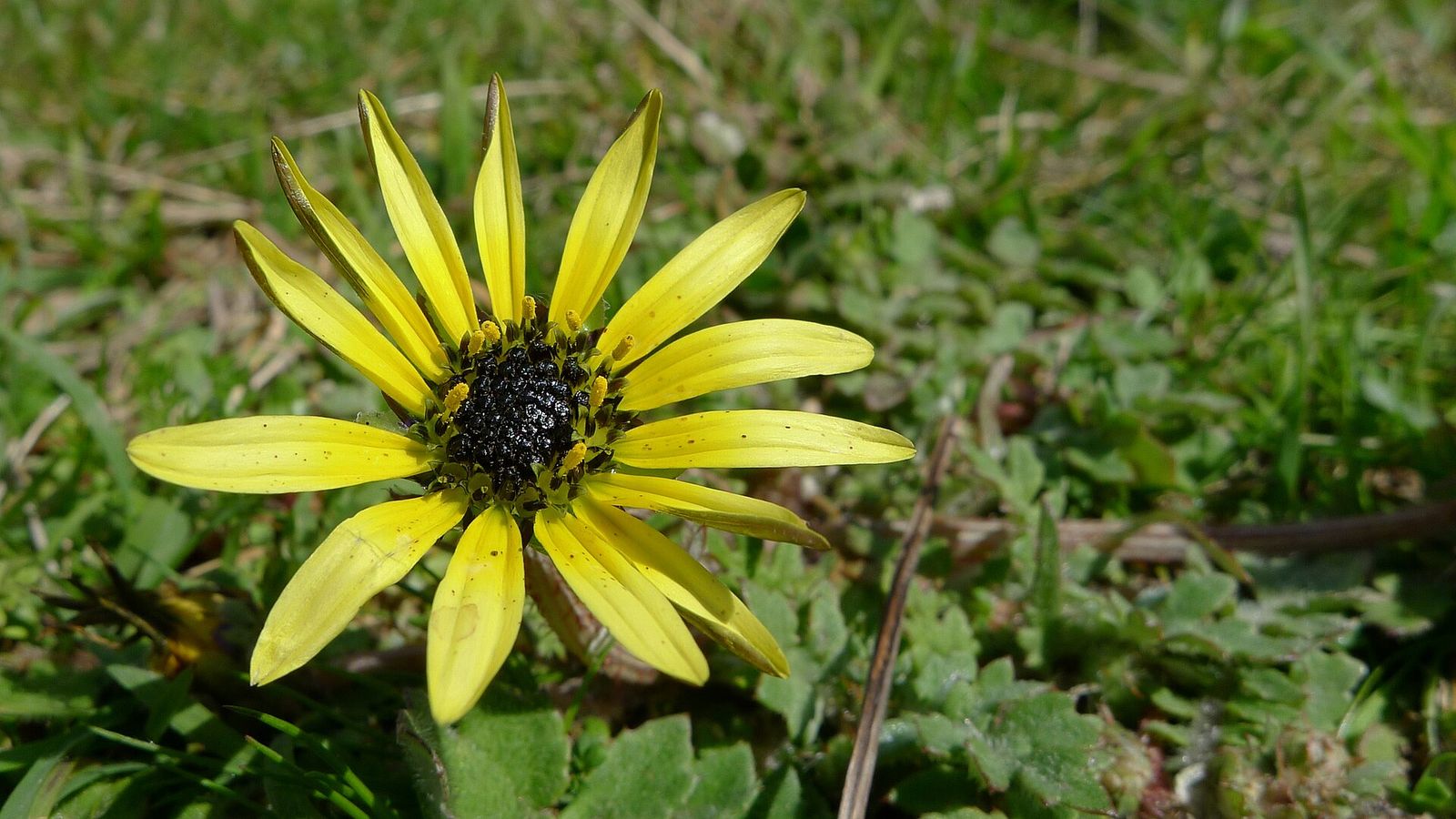
Hero photo: capeweed (Arctotheca calendula) by John Tann, CC BY 2.0, via Wikimedia Commons
Imagine it’s finally Saturday morning... the sun’s out, and you’ve just brought home a boot full of new plants. You walk out to the garden bed and it’s already green. Not with the things you planted, but with a carpet of uninvited guests that weren’t there three weeks ago.
Welcome to spring. This is peak season for flowers, shrubs and natives, and for weeds too. This week, ABC News spoke to two experts about exactly this: Rob Pelletier, an ABC Local Radio gardening expert from Heritage Fruit Trees, and Kate Blood, president of the Weed Society of Victoria. They’re in Victoria, but the weeds they named will be familiar to Sydney gardeners too.
Here’s how to deal with spring weeds in Australia without reaching straight for the spray bottle. We’ll also look at why the plants you buy matter as much as the weeds you pull.
Why Weeds Explode in Spring
Weeds are opportunists, and spring hands them everything at once: warmer soil, longer days, rain, and plenty of bare ground. Lawns, garden beds and every little patch of exposed earth get colonised fast.
Pelletier’s advice is refreshingly simple. Rather than fighting weeds one by one, create the best possible growing conditions for the plants you want, and don’t leave bare soil for weeds to move into.
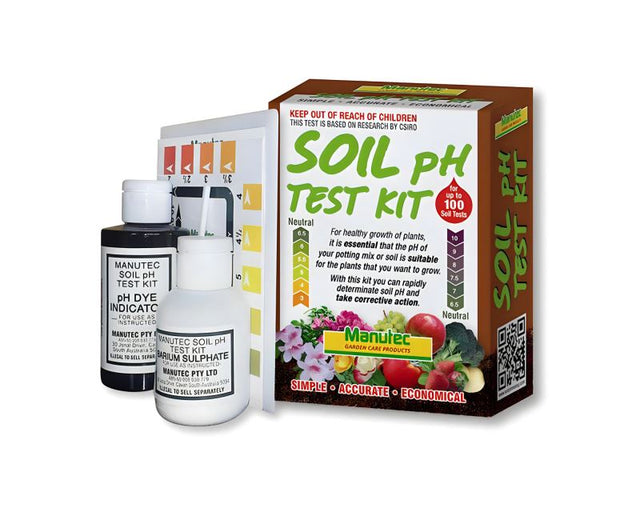
One myth is worth busting. You may have heard that weeds tell you what’s wrong with your soil. Pelletier says that’s only partly true. Some weeds do favour certain conditions, but they aren’t a reliable soil test, and they aren’t necessarily “repairing” your soil. If you want real answers, a Manutec Soil pH Test Kit will tell you more than a dandelion will.
Know Your Weed: Three Simple Groups
There’s no one-size-fits-all fix, because different weeds behave differently. Pelletier suggests sorting most of them into three groups, each needing a different approach.
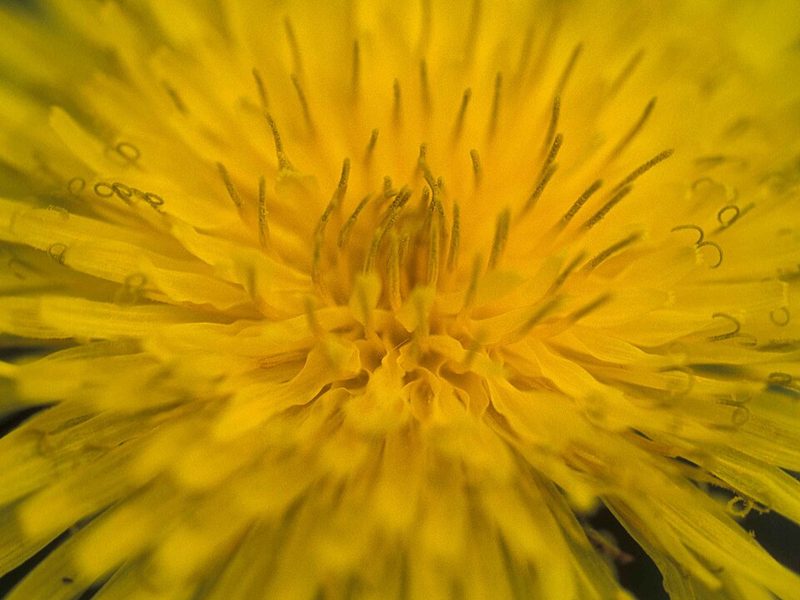
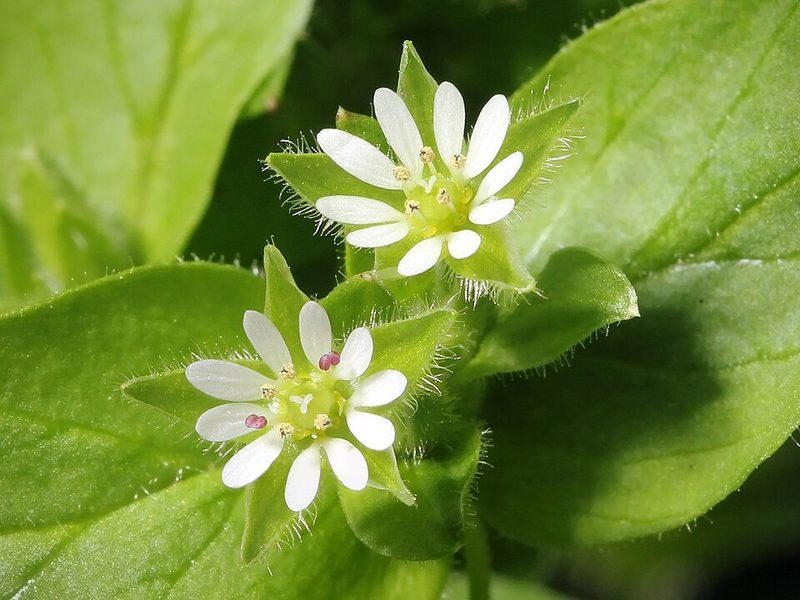
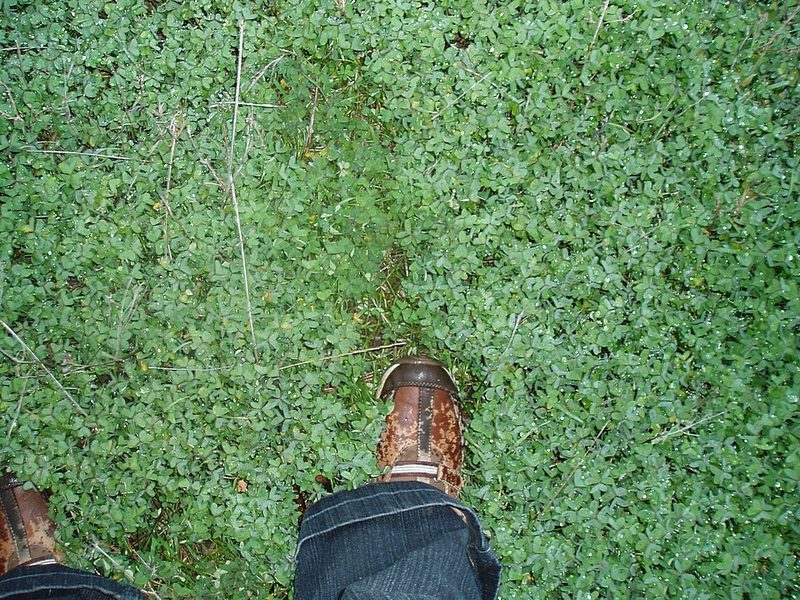
| Group | What they do | Common examples | What works |
|---|---|---|---|
| Colonisers | Move into bare or struggling ground | Capeweed, dandelion, flatweed, plantain, many thistles | Pull young plants, improve the soil, ease compaction, keep soil covered |
| Spring exploders | Germinate over winter, then grow and seed fast in spring | Bittercress, chickweed, cleavers (sticky weed), fumitory, sow thistle | Hoe or pull while small and before they seed, then mulch |
| Persistent perennials | Come back from bulbs, rhizomes or deep roots | Onion weed, soursob (Bermuda buttercup), couch, bindweed, blackberry | Dig out the underground parts, keep removing regrowth, or smother or solarise |
The key idea is timing. Exploders are easy in September and a nightmare once they’ve set seed. Perennials need patience: cut off the tops and they’ll just sprout again.
Natural Weed Control for Your Garden
Here are four low-chemical methods for natural weed control in the garden, in plain English.
Hoe early
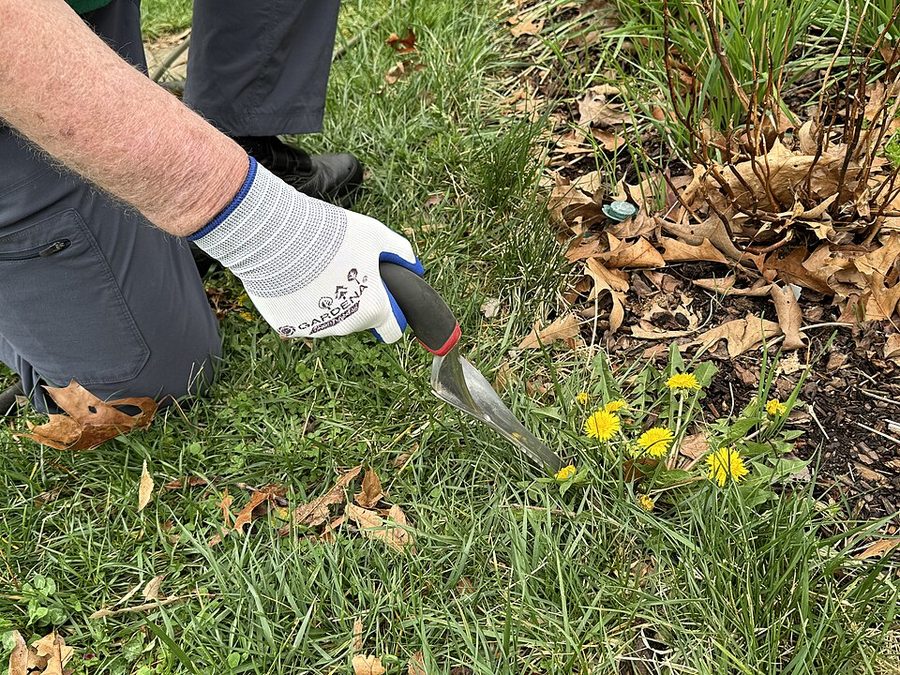
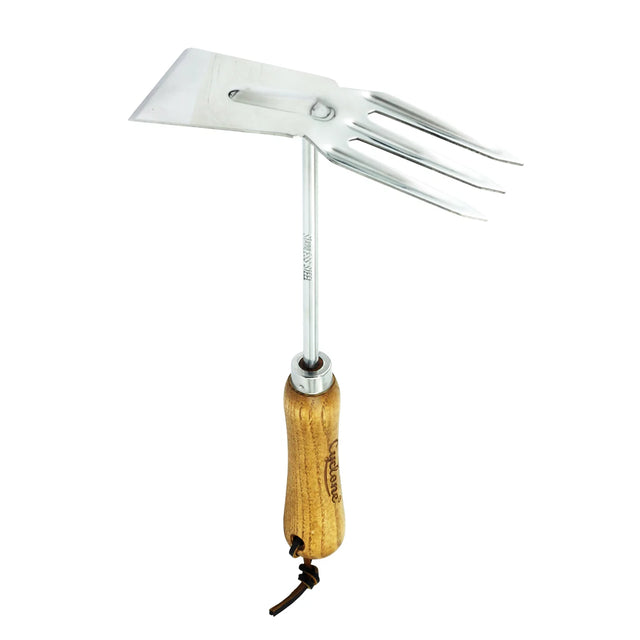
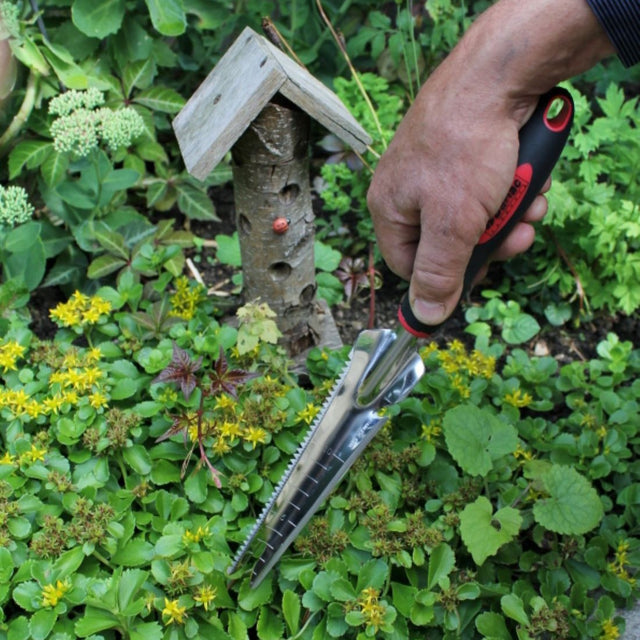
A sharp hand hoe slices young weeds off at the surface. Do it on a dry, sunny morning and the cut weeds wilt where they fall. Little and often beats one big weekend blitz. Our Cyclone Hand Hoe in stainless steel is made for this.
Dig out the tough ones
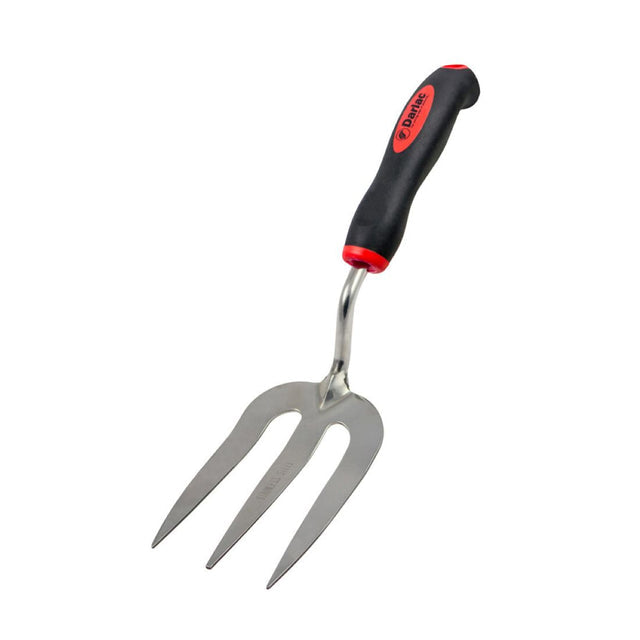
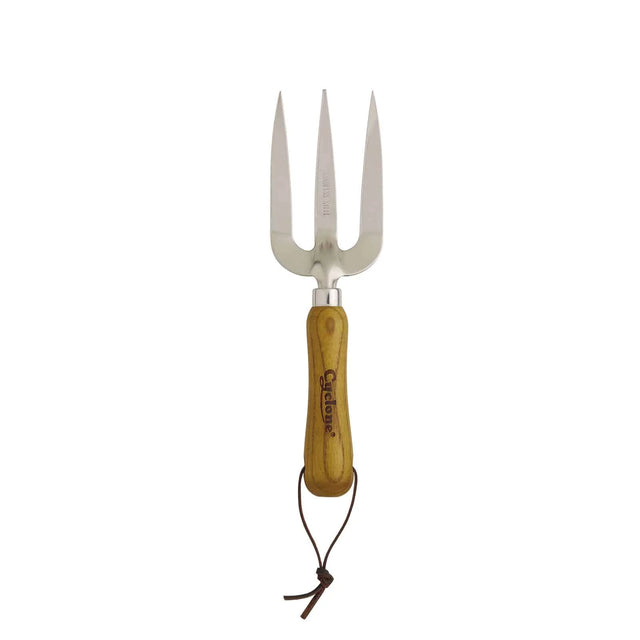
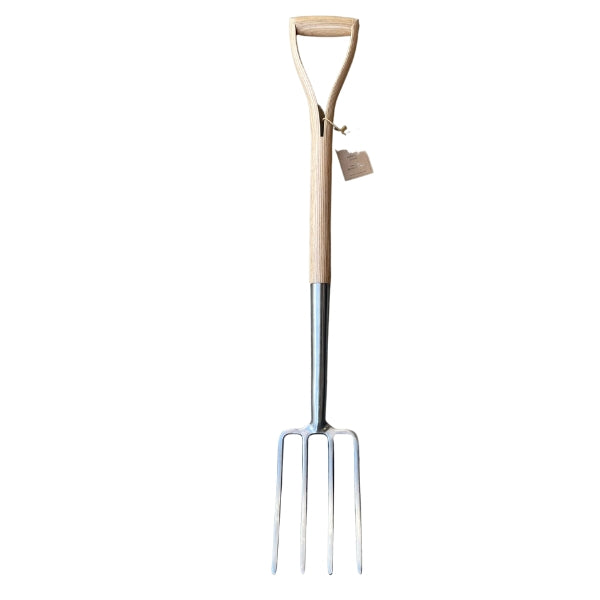
For onion weed bulbs, soursob and couch runners, you need to get the underground parts. Loosen the soil with a Darlac Hand Fork or a Cyclone Garden Fork, then lift the roots out rather than snapping them off. Check back every couple of weeks for regrowth.
Cover them up (occultation)
This sounds fancy but it just means blocking out the light. Cover the weedy patch with something opaque, like a tarp, so weeds can’t photosynthesise and eventually give up. According to Pelletier, it’s relatively gentle on soil life. It’s slow, but it’s easy and needs no chemicals.
Cook them (solarisation)
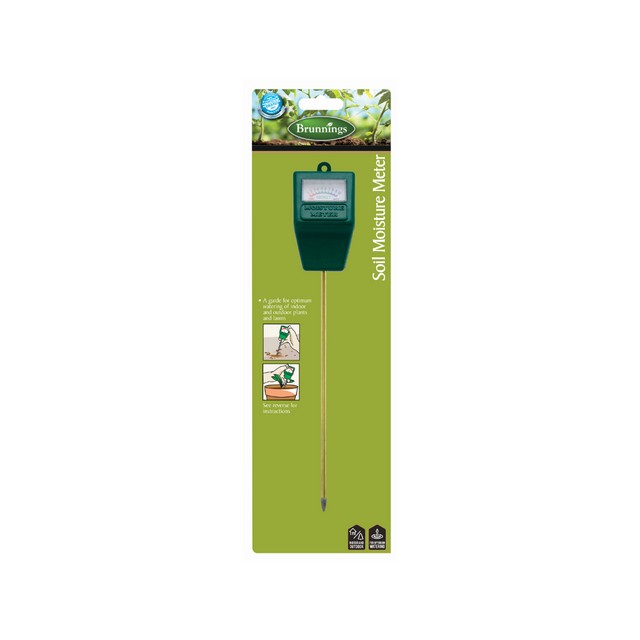
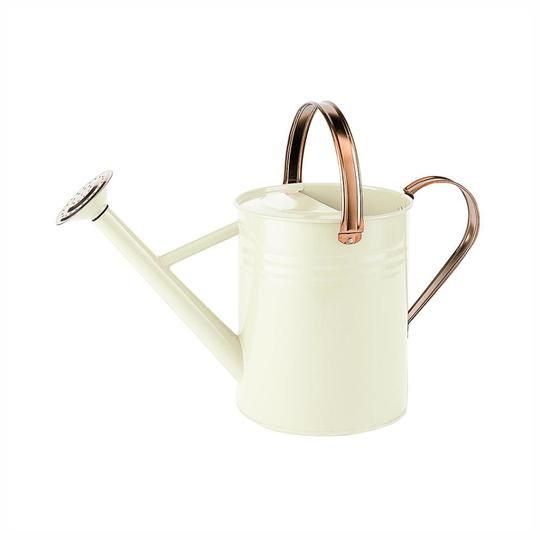
This is the opposite approach. You use sunlight and clear plastic to heat moist soil. It works on weeds, weed seed, pathogens and soil organisms alike, so it’s a bigger intervention than occultation. Because the soil needs to be moist, check it first with a Brunnings Moisture Meter Probe ($19.98) and give it a good soak with a Brunnings Metal Watering Can before you cover it. Pick a hot, sunny stretch (summer is ideal) and keep the plastic away from tree roots.
Don’t Leave Soil Bare
Pulling weeds without a plan is like bailing a leaky boat. The long-term fix is to leave no gaps.
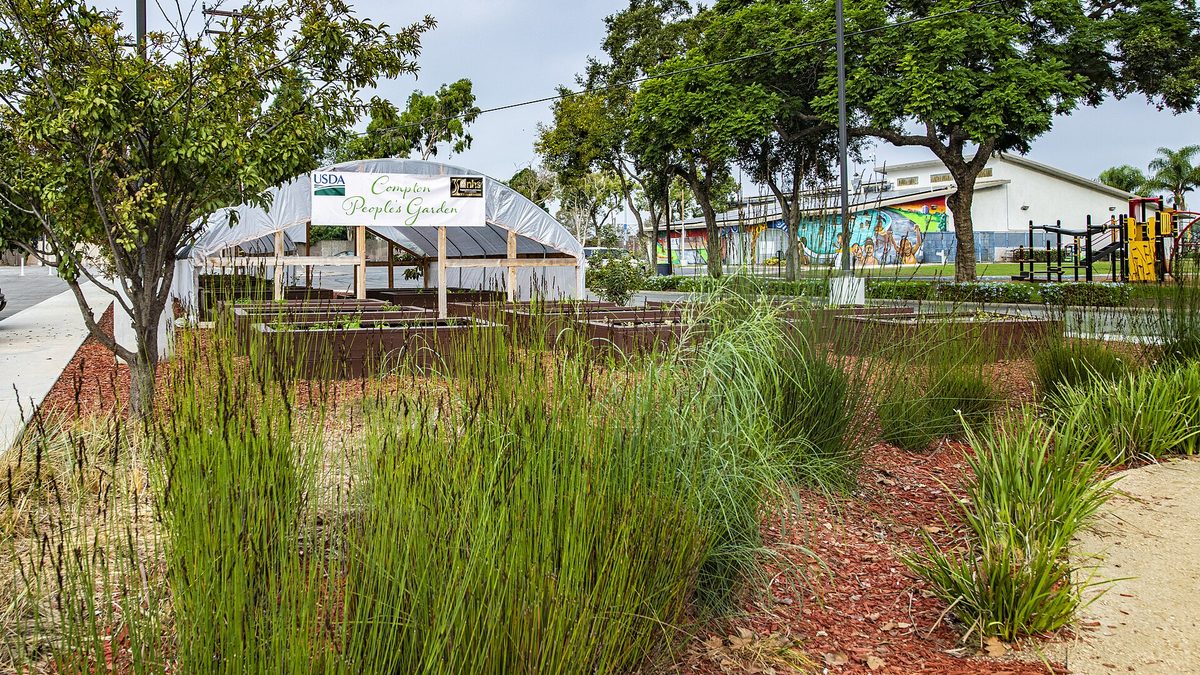
- Mulch after weeding. A layer of mulch blocks light and keeps seeds from germinating. Keep it clear of stems and trunks.
- Plant densely. Groundcovers and closely planted beds leave weeds nowhere to land.
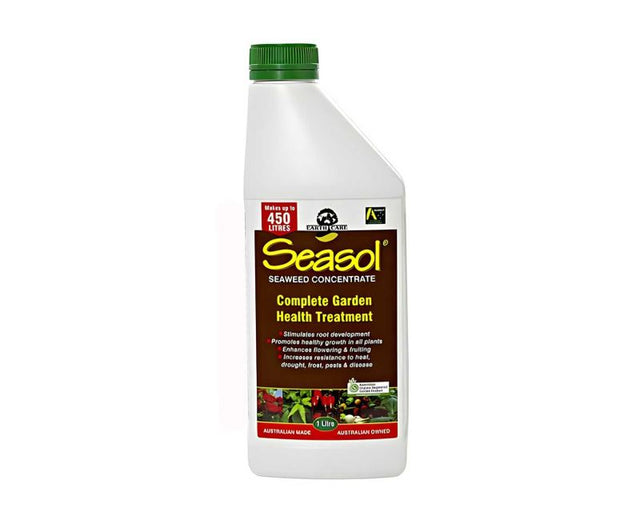
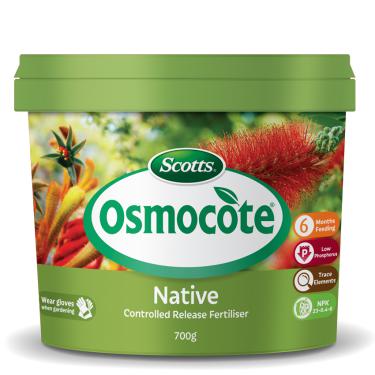
- Look after what you plant. Healthy plants out-compete weeds. A seaweed tonic like Seasol Concentrate ($15.98 for 500ml) helps new plants settle in, and Osmocote Native Plant Fertiliser is made for natives.
- No garden bed? Go to pots. A balcony or courtyard of outdoor pots is a naturally low-weed way to garden, and you control exactly what goes in.
Check Before You Buy: Garden Escapees
This is the part most gardeners never hear about. Some of the weeds that cause the most damage in bushland, waterways and farmland began as ornamental garden plants.
Gazania is the classic example. It was brought to Australia as a pretty ornamental daisy, and Kate Blood says it crowds out indigenous plants that provide habitat for wildlife and is spreading into farmland.
How do garden plants escape? Seeds travel on the wind, in water, on clothing, and in bird droppings. Even if you live in a city, Blood says, what you plant can affect the nature around you. She boils her advice down to three actions: replace invasive garden plants, select plants carefully by checking their weed potential before buying, and dispose of waste responsibly.
“A beautiful garden shouldn’t come at the expense of the natural environment around it.”
Kate Blood, president, Weed Society of Victoria
How to choose non-invasive plants in Australia
- Ask whether the plant is listed as an environmental weed in your state or council area. Your local council’s weed list is the best starting point.
- Be wary of fast-spreading groundcovers, vines and plants that set lots of wind-blown seed.
- Favour local native species where you can. For Sydney, groups like the Australian Association of Bush Regenerators suggest native groundcovers such as native violet (Viola hederacea), kidney weed (Dichondra repens) and weeping meadow grass (Microlaena stipoides). Local council nurseries can advise what suits your soil.
Houseplants: perfect right where they are
Indoors, our favourites are hard to beat. Golden Pothos and Snake Plant are hardy, beautiful and popular air-purifying picks (see our guide to air purifying plants), and they’re ideal for living rooms, bedrooms and bathrooms. One small caution: in warmer, frost-free parts of Australia, some tough houseplants can take root outdoors if trimmings are dumped, and a few Queensland councils list them locally. The easy habit is to keep them in pots indoors and pop any trimmings in the green bin.
Dispose of Garden Waste Responsibly
Dumped clippings are one of the fastest routes for weeds into bushland. Plants like gazania can regrow from root pieces, and grass clippings can carry seed.
- Use your green bin for weedy material rather than a compost heap, unless your council says otherwise.
- Take larger loads to your local tip or green-waste facility.
- Never dump over fences, on nature strips or in bushland.
- Pop houseplant trimmings in the green bin too.
- Not sure what’s allowed? Check your council’s website.
Your Low-Chemical Weeding Kit
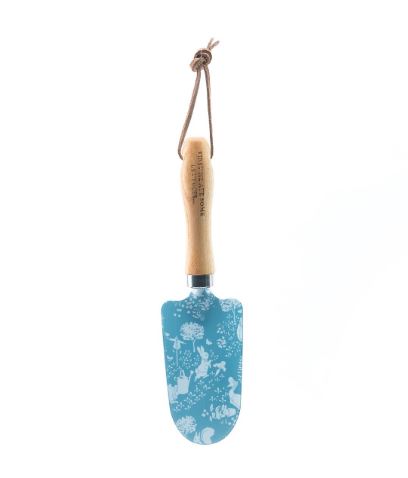
Everything in this guide can be done with a handful of tools. Here’s a starter set from our Garden Care range.


Common Questions
What are the most common spring weeds in Australia?
Capeweed, dandelions, chickweed, bittercress, cleavers, onion weed, soursob, couch and bindii all show up in spring. Sorting them into colonisers, exploders and perennials tells you how to tackle each one.
What’s the best natural weed control for a garden?
There’s no single answer. Hoe exploders while they’re small, dig out perennials, and use covering (occultation) or heating (solarisation) for bigger patches. Mulch and dense planting stop them coming back.
What’s the difference between occultation and solarisation?
Occultation blocks light with an opaque cover, which is slow and gentle on soil life. Solarisation uses clear plastic and sun to heat moist soil, which is faster and tougher on weeds, seed and soil organisms alike.
Are weeds a sign of poor soil?
Sometimes, but not reliably. Weeds favour certain conditions, but they’re not a proper soil test. Test your pH and improve growing conditions for the plants you want.
How do I know if a plant is an environmental weed?
Check your council’s or state government’s weed list before you buy, and ask the team in store.
Are houseplants like pothos and snake plant okay to keep?
Absolutely. They’re hardy, beautiful and perfect for indoor spaces. Just keep them potted inside and put any trimmings in the green bin rather than the garden or bushland.
Ready to Build a Low-Weed Garden?
Drop in to Gro Urban Oasis at Miranda, Warringah, Tuggerah, Macquarie Park or Castle Hill, or order online with Sydney Metro delivery. Our team can help you choose the right tools, soil care and pots, and talk through plant choices that suit your space.
Source: Gavin McGrath, ABC Ballarat, 18 October 2026, Spring is peak season for flowers, shrubs and natives — and showtime for weeds.
Photos are from Wikimedia Commons under the licences shown in each caption.